AI, Digital Transformation, and Innovation Emerge as Key Drivers for Enhancing SME Tourism Resilience at ReTour Forum
Artificial intelligence, digital transformation, and innovation have emerged as primary drivers for enhancing the resilience and competitiveness of small and medium-sized tourism enterprises (SMEs), according to participant feedback gathered during the Innovation and Resilience Forum in the Tourism Sector. The forum was held as part of the ReTour project—"Strengthening the Resilience of SMEs in the Tourism Sector."
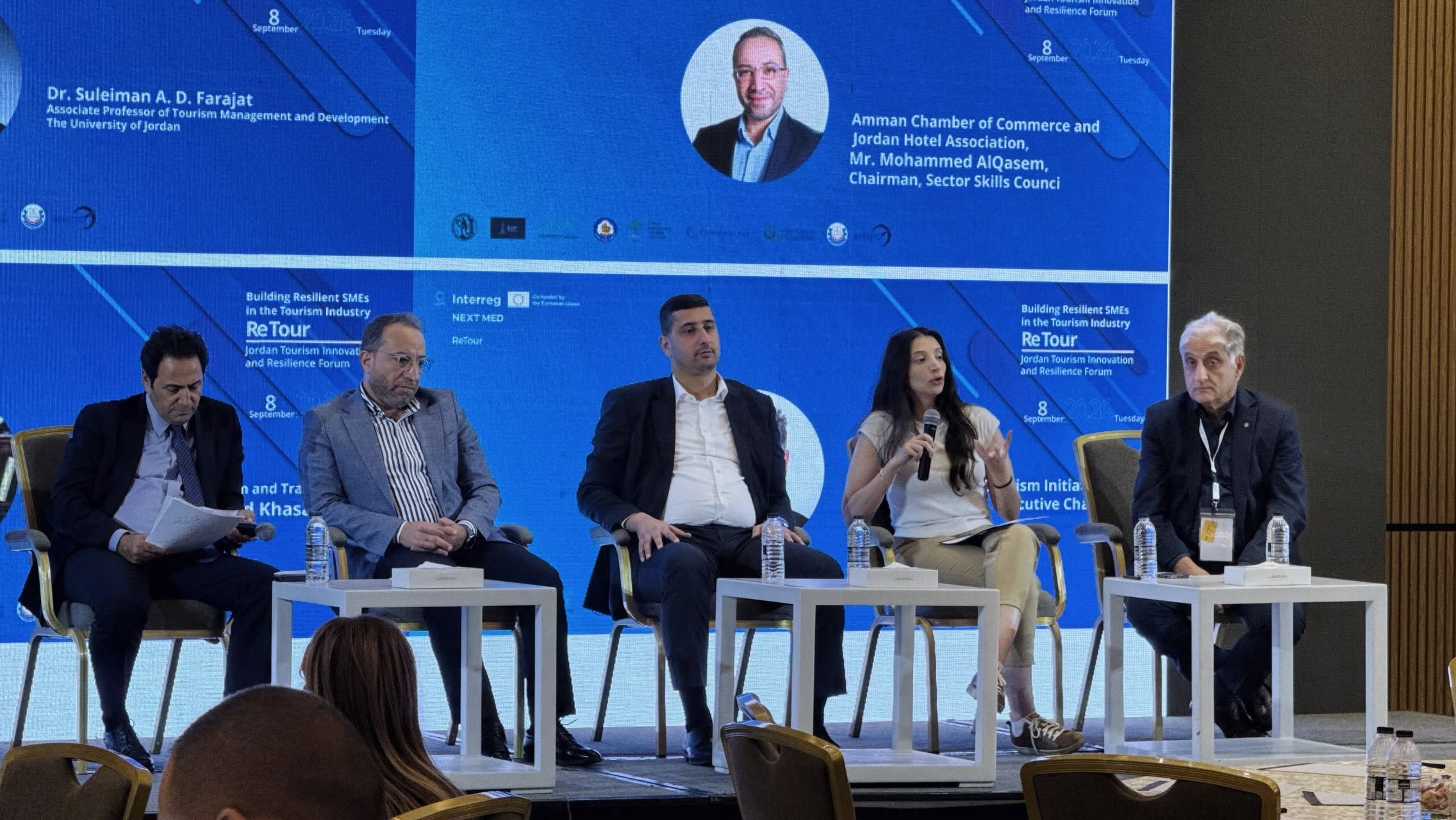
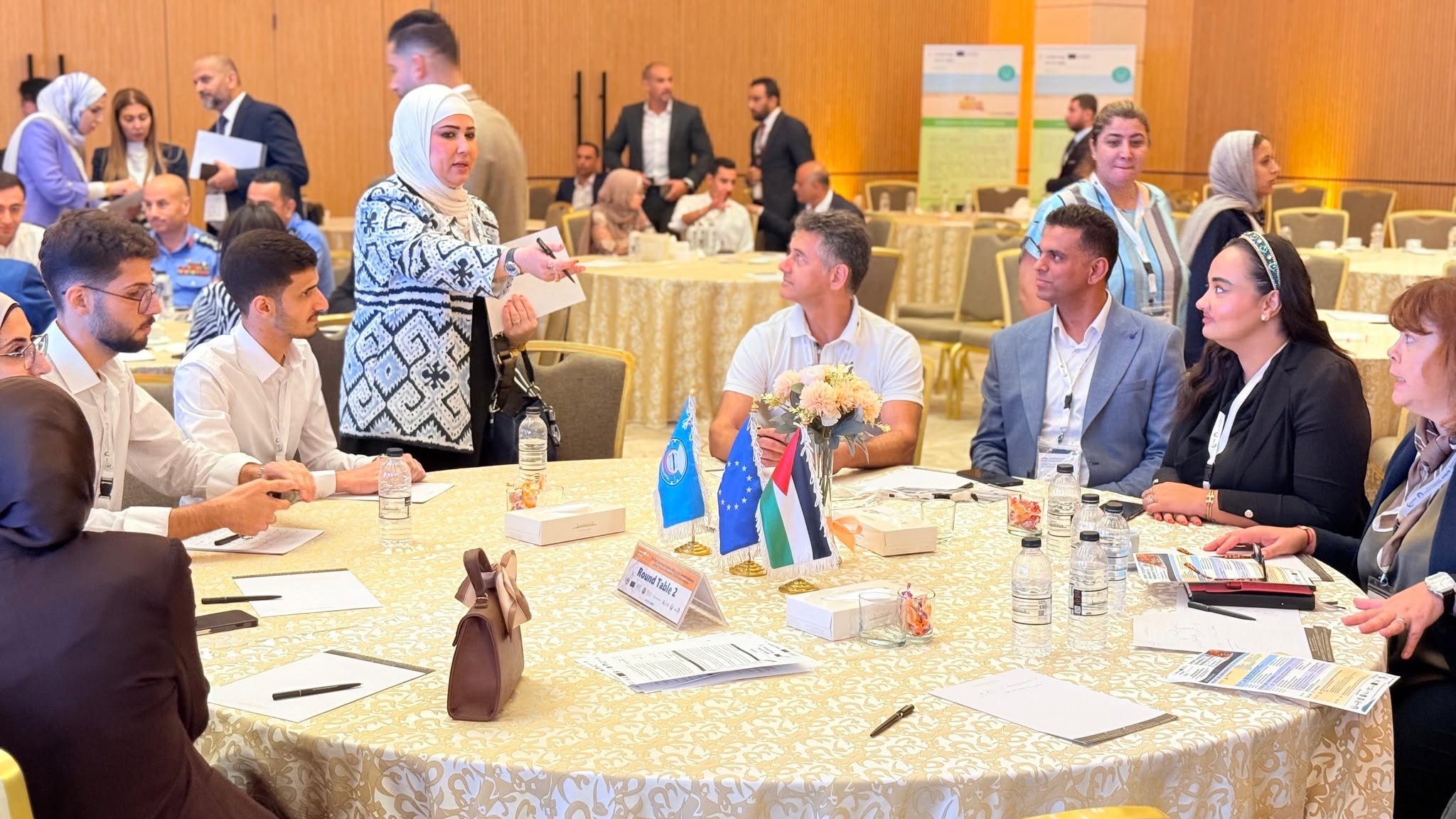
The forum convened tourism enterprises, representatives from the public sector, universities, academic and research institutions, associations, and tour operators, alongside industry experts and key stakeholders. Discussions focused on leveraging emerging technologies to address practical challenges facing tourism businesses, supporting their capacity to adapt to crises, market shifts, and evolving operational conditions.
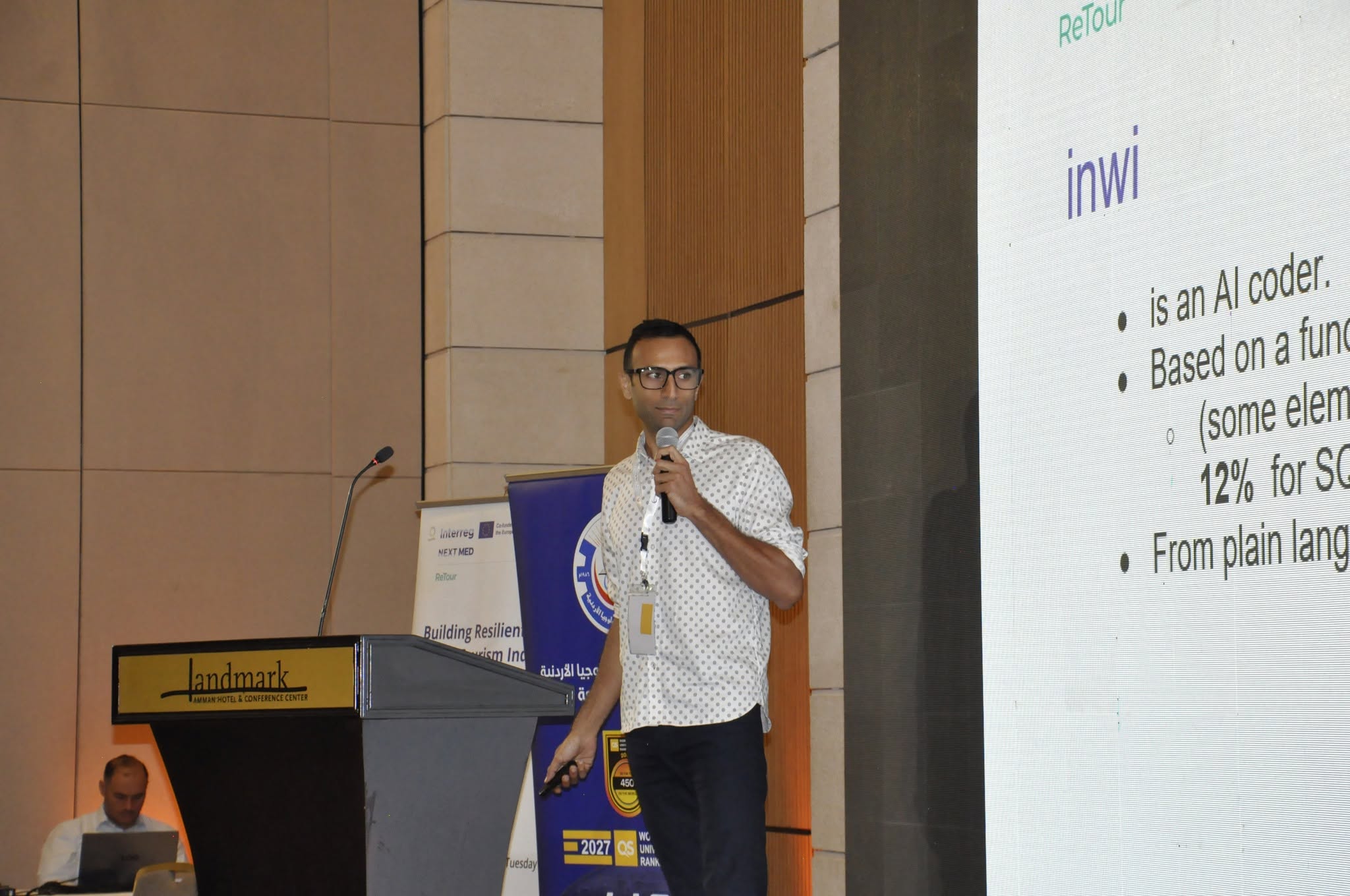
Participant feedback demonstrated clear interest in topics surrounding artificial intelligence and digital transformation. Attendees expressed strong appreciation for expert presentations, real-world case studies shared by tourism businesses, and valuable networking opportunities that fostered collaboration among participating entities.
Furthermore, participants emphasized the growing potential of AI tools and digital solutions to transform how tourism enterprises operate and interact with visitors. They highlighted a range of practical applications capable of helping these businesses optimize performance and service delivery.
Proposed practical applications included deploying AI and digital tools for digital marketing, content creation, visitor needs analysis, personalized tourism experiences, enhancing digital visibility, strengthening social media presence, and developing new products and services aligned with market expectations.
At the same time, participant feedback underscored that digital transformation in tourism must extend beyond merely adopting new technological tools. Instead, it should directly address the operational needs of enterprises, helping them overcome business challenges, streamline processes, elevate efficiency, and build capacity to respond effectively to crises and market fluctuations.
This highlights the importance of orienting technology toward delivering practical, measurable outcomes—enabling tourism enterprises to better leverage data, inform decision-making, elevate visitor experiences, and unlock new avenues for growth, innovation, and partnership.
The forum also revealed a clear demand for hands-on capacity-building programs to help tourism SMEs translate digital opportunities into actionable business practices. Participants called for practical training workshops, live demonstrations of AI tools and digital solutions, case study reviews, and expanded platforms for businesses to share experiences and operational challenges.
Priority training areas highlighted by participants included AI applications in tourism, digital marketing, digital content creation, social media management, online visibility optimization, business resilience and crisis management, as well as innovation in tourism product and service development.
Participants encouraged closer engagement between tourism enterprises, technology experts, researchers, academic institutions, and sector stakeholders to promote knowledge exchange and foster collaborative solutions tailored to the practical realities of tourism SMEs.
These insights provide critical input for guiding the upcoming phases of the ReTour project, particularly activities related to capacity building, digital innovation, and cross-border cooperation across the Mediterranean basin. The project will integrate participant feedback to develop initiatives and tools directly aligned with the key challenges facing tourism SMEs.
Through practical training, digital innovation, and cross-border collaboration, the ReTour project continues to support tourism enterprises in advancing their skills, adopting actionable digital solutions, and building readiness to navigate future challenges while capitalizing on opportunities presented by technology and artificial intelligence.
SPECTO (Computer Skills Company) collaborates with the Jordan University of Science and Technology (JUST) to implement the ReTour project in Jordan as part of an international partnership aimed at bridging technical expertise with the practical needs of the tourism sector.
SPECTO’s role in the project reflects its established expertise in technology, digital transformation, innovation, capacity building, skills development, and integrated solutions. It underscores the company's commitment to deploying this expertise within international initiatives that deliver sustainable, practical impact for businesses and economic sectors.
By linking technology, resilience, sustainability, and cross-border cooperation, the ReTour project aims to contribute to building a more competitive, innovative, and digitally empowered Mediterranean tourism ecosystem, enabling tourism SMEs to adapt, sustain operations, and grow.
The ReTour project is co-funded by the European Union under the Interreg NEXT MED Programme, which supports cross-border cooperation and joint solution development to address shared challenges across the Mediterranean basin.